


Unlocking the Power of Affordable PLCs with HMI: A Game Changer for Your Automation Needs!
In today's fast-paced industrial landscape, the need for efficient automation solutions has never been greater. Low-cost PLCs (Programmable Logic Controllers) equipped with HMI (Human-Machine Interface) capabilities have emerged as a vital tool for businesses seeking to enhance their operational efficiency without breaking the bank. As industries strive to adopt smarter technologies, the demand for affordable automation solutions continues to grow. These systems not only simplify complex processes but also provide user-friendly interfaces that make them accessible to a broader range of operators. In this article, we will delve into the benefits and diverse use cases of low-cost PLCs with HMI, exploring how they can be a game changer in modern automation.
Understanding Low-Cost PLCs and HMI
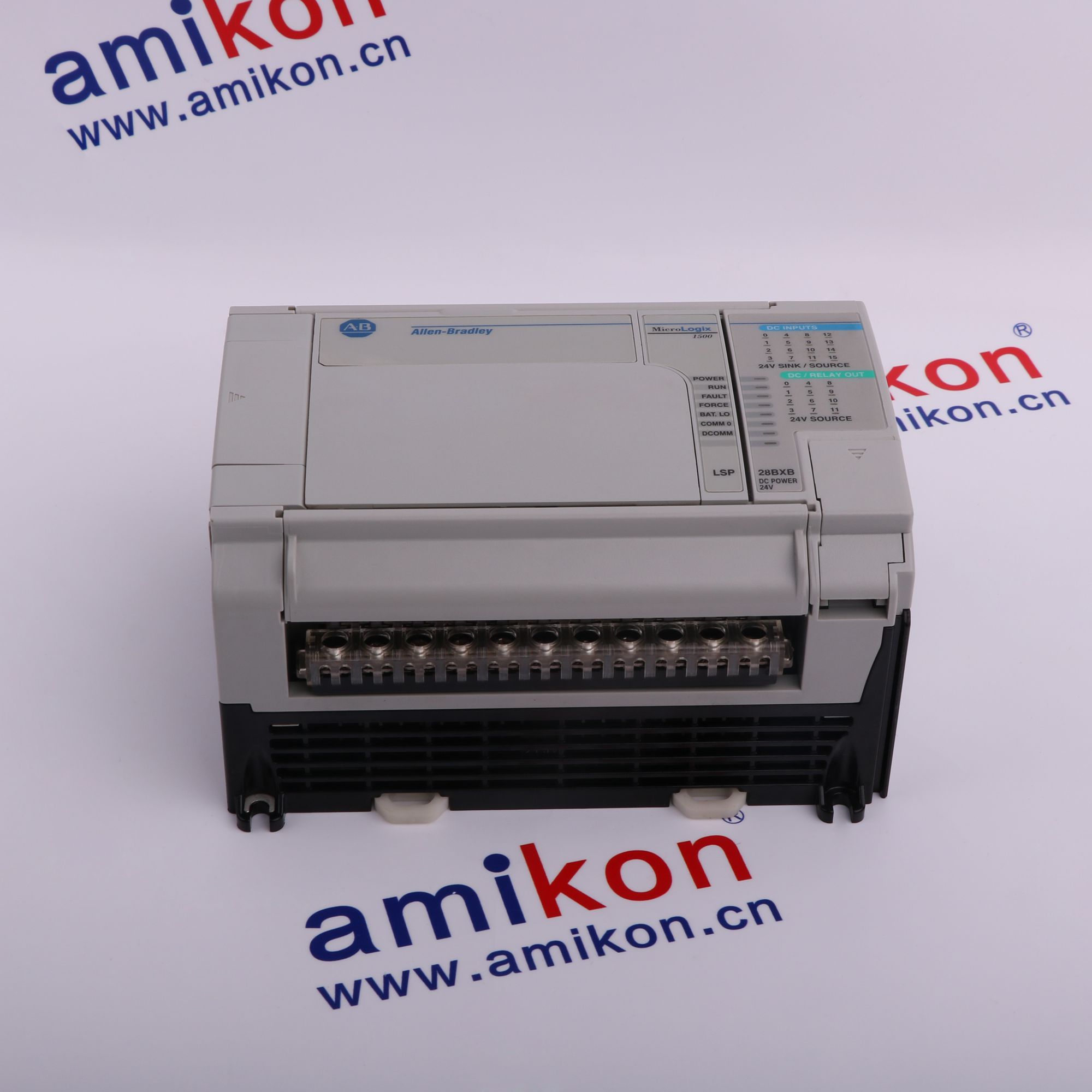
To appreciate the impact of low-cost PLCs with HMI, it’s essential to understand what these systems entail. PLCs are digital computers used for automation of electromechanical processes, such as controlling machinery on factory assembly lines, amusement rides, or lighting fixtures. They function by receiving input signals from sensors and executing pre-programmed commands to produce output signals that control machinery. On the other hand, HMIs serve as the interface between the operator and the machine, displaying information and allowing for user input through screens and touch panels. Traditional PLC systems can be expensive and complex, often requiring specialized knowledge for programming and integration. In contrast, low-cost PLCs offer a more accessible entry point for companies looking to automate their processes while leveraging HMI to provide a seamless user experience. With these technologies, businesses can achieve a balance between functionality and affordability, making automation attainable for a broader audience.
Benefits of Low-Cost PLCs with HMI
The advantages of using low-cost PLCs with HMI are numerous. Firstly, cost-effectiveness stands out as one of the most compelling reasons for their adoption. Businesses can implement these systems without the hefty price tag typically associated with traditional PLCs, enabling them to allocate resources to other critical areas of their operations. Additionally, low-cost PLCs are designed for ease of use, featuring intuitive interfaces that reduce the learning curve for operators. This means that staff can quickly become proficient in managing and troubleshooting the system, leading to reduced downtime. Flexibility is another significant benefit; many of these PLCs can be easily integrated into existing systems, allowing for scalable solutions that grow alongside the business. Moreover, the integration capabilities of low-cost PLCs with HMI facilitate real-time monitoring and data collection, which can significantly improve operational efficiency. By harnessing these benefits, businesses can streamline operations, enhance productivity, and ultimately improve their bottom line.
Use Cases in Various Industries
Low-cost PLCs with HMI are transforming various industries by providing innovative automation solutions. In manufacturing, for instance, these systems can be employed to control assembly lines, monitor machine performance, and manage inventory systems. A friend of mine works in a small manufacturing plant that recently upgraded to a low-cost PLC with HMI. They were able to streamline their production process, reducing lead times and minimizing errors, which significantly enhanced their overall efficiency. The food processing industry also benefits from these solutions, where low-cost PLCs help in maintaining quality control, monitoring temperatures, and automating packaging processes. In building automation, these PLCs can be used for lighting control, HVAC management, and security systems, ensuring that facilities operate smoothly and efficiently. The versatility of low-cost PLCs with HMI makes them a valuable asset across different sectors, providing tailored solutions that meet specific industry needs.
Key Considerations When Choosing Low-Cost PLCs with HMI
When selecting a low-cost PLC with HMI, several key considerations should be taken into account. Compatibility with existing equipment is paramount; it's crucial to ensure that the new system can integrate seamlessly with current operations. Scalability is another factor to consider, especially for businesses anticipating growth. The chosen PLC should be capable of accommodating future expansions without requiring a complete overhaul. Additionally, support and resources play a vital role in the selection process. Opting for a system with robust manufacturer support can make a significant difference in troubleshooting and maintenance. Lastly, assessing project requirements before making a decision is essential. Understanding the specific needs of the application will guide businesses in choosing the right low-cost PLC and HMI combination that meets their operational demands effectively.
Empowering Businesses with Affordable Automation Solutions
In summary, low-cost PLCs with HMI represent a transformative opportunity for businesses looking to enhance their automation efforts. By providing an affordable, user-friendly, and flexible solution, these systems empower companies to optimize their operations and improve productivity. As industries continue to embrace automation, exploring the potential of low-cost PLCs with HMI can lead to significant advancements in efficiency and cost savings. For businesses seeking to thrive in today’s competitive landscape, investing in these innovative solutions may very well be the key to unlocking their full potential.



Comments