


Unlocking Efficiency: Discover the Ultimate Time Clock Solutions for Your Business!
In today’s fast-paced business environment, the efficiency of operations can make or break a company. One of the key elements in enhancing productivity is effective time management, and that's where work time clocks come into play. These systems are designed to streamline how businesses track employee hours, ensuring that every minute worked is accounted for. By implementing an effective time clock system, businesses can not only reduce labor costs but also improve overall workflow and accountability. Imagine a scenario where employees are accurately tracked, payroll is processed without delays, and management can access real-time data to make informed decisions. Embracing a work time clock system could be the crucial step toward achieving these goals and unlocking the full potential of your business.
Understanding Work Time Clocks
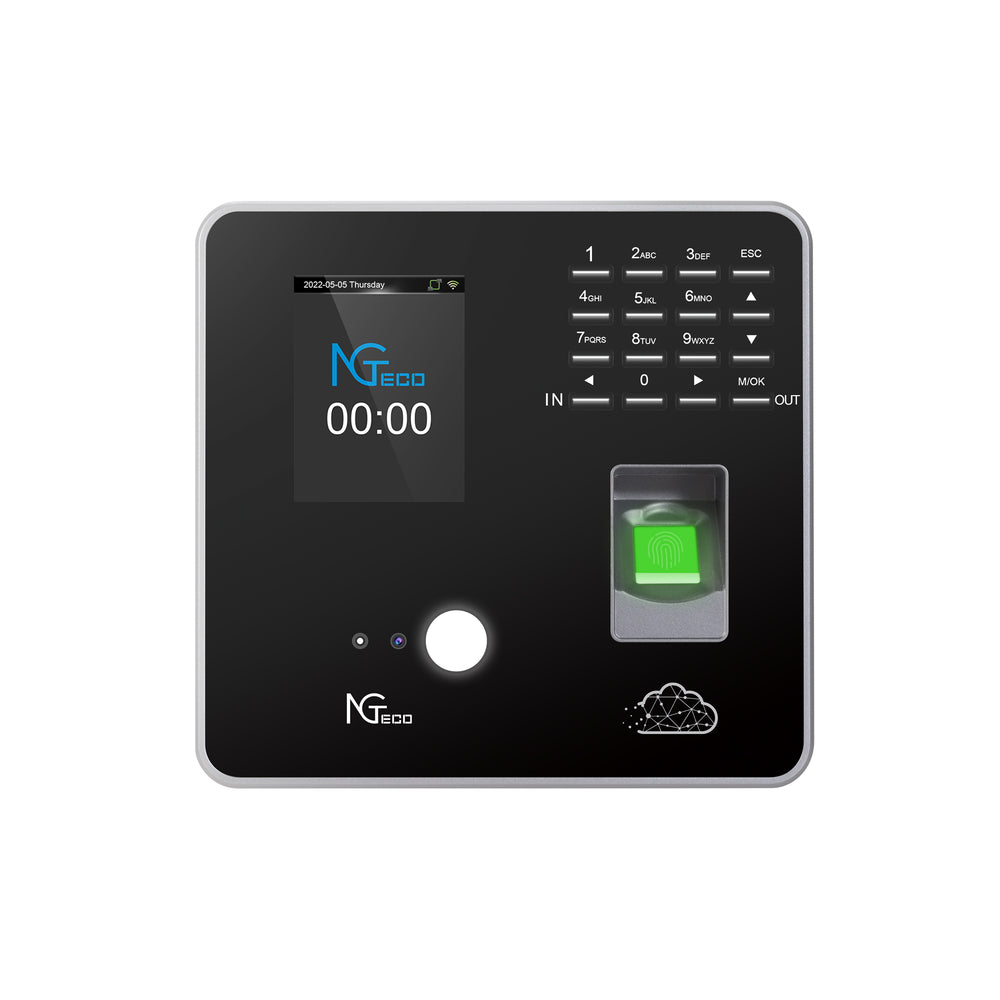
Work time clocks are tools used by employers to record the hours worked by employees. They come in various forms, including manual punch clocks, digital timekeeping systems, and biometric devices that use fingerprints or facial recognition. Each type offers unique functionalities that cater to different business needs. For instance, manual clocks may suit small businesses with limited staff, while larger organizations might benefit from digital or biometric systems that provide advanced features such as real-time tracking, integration with payroll systems, and enhanced security. Understanding the type that best suits your business is essential for maximizing efficiency and accuracy in time tracking.
Benefits of Implementing a Work Time Clock System
The advantages of employing a work time clock system extend beyond mere time tracking. Firstly, accuracy in payroll processing can significantly reduce errors, ensuring that employees are paid correctly for the hours they work. Additionally, time clock systems foster improved employee accountability; when workers know their hours are being monitored, they are more likely to adhere to their schedules. Enhanced attendance tracking is another benefit, as these systems can help identify patterns such as frequent tardiness or absenteeism, enabling management to address issues proactively. Ultimately, a well-implemented time clock system can lead to a more disciplined and productive workforce.
Factors to Consider When Choosing a Time Clock Solution
Selecting the right time clock solution involves several key considerations. User-friendliness is paramount; systems that are intuitive and easy to use can reduce training time and promote employee buy-in. Additionally, think about integration with existing systems; a time clock solution that seamlessly connects with your payroll software can save time and prevent errors. Scalability is also vital; as your business grows, your time tracking system should be able to accommodate an increasing number of employees without a hitch. By carefully evaluating these factors, businesses can ensure they choose a time clock system that aligns with their operational needs and future growth.
Cost Considerations
Budget considerations are crucial when selecting a time clock system. While upfront costs may seem low for certain options, it’s important to look at the total cost of ownership over time. This includes maintenance, upgrades, and any additional features that may be necessary as your business evolves. A more expensive system that offers long-term savings and efficiency could be a wiser investment compared to a cheaper option that may lead to higher operational costs down the line.
How to Effectively Implement a Time Clock System in Your Business
Implementing a time clock system requires a strategic approach to ensure success. Start by selecting a system that fits your business needs, followed by thorough training for your staff. This is crucial to ensure everyone understands how to use the system effectively. Next, set up the system according to your operational workflow, ensuring that it integrates with payroll and other necessary systems. After implementation, monitor the system's effectiveness regularly and solicit feedback from employees. This allows you to make necessary adjustments and ensures that the system is serving its intended purpose. A well-implemented time clock system can greatly enhance productivity and operational efficiency.
Key Takeaways on Time Clock Solutions
In conclusion, the selection of the right work time clock solution is a pivotal decision for any business looking to enhance its efficiency. The benefits of accurate time tracking, improved employee accountability, and streamlined payroll processes cannot be overstated. As you assess your current time tracking systems, it’s essential to consider the factors outlined in this article to make an informed choice. By investing in an effective time clock solution, you can create a more productive work environment that ultimately leads to greater success.



تعليقات