


Unlocking Time: Discover the Magic Behind Fingerprint Clock In/Out Machines!
In the fast-paced world of business, accurate time tracking is essential for maintaining productivity and accountability in the workplace. Over the years, attendance systems have evolved significantly, transitioning from manual time cards to sophisticated digital solutions. One such innovation is the fingerprint clock in/out machine, which utilizes biometric technology to ensure precise tracking of employee hours. These machines not only streamline the process of clocking in and out but also minimize the potential for time theft and buddy punching, where one employee clocks in for another. As technology continues to advance, the importance of accurate timekeeping has never been clearer, making fingerprint recognition systems a vital tool for modern organizations.
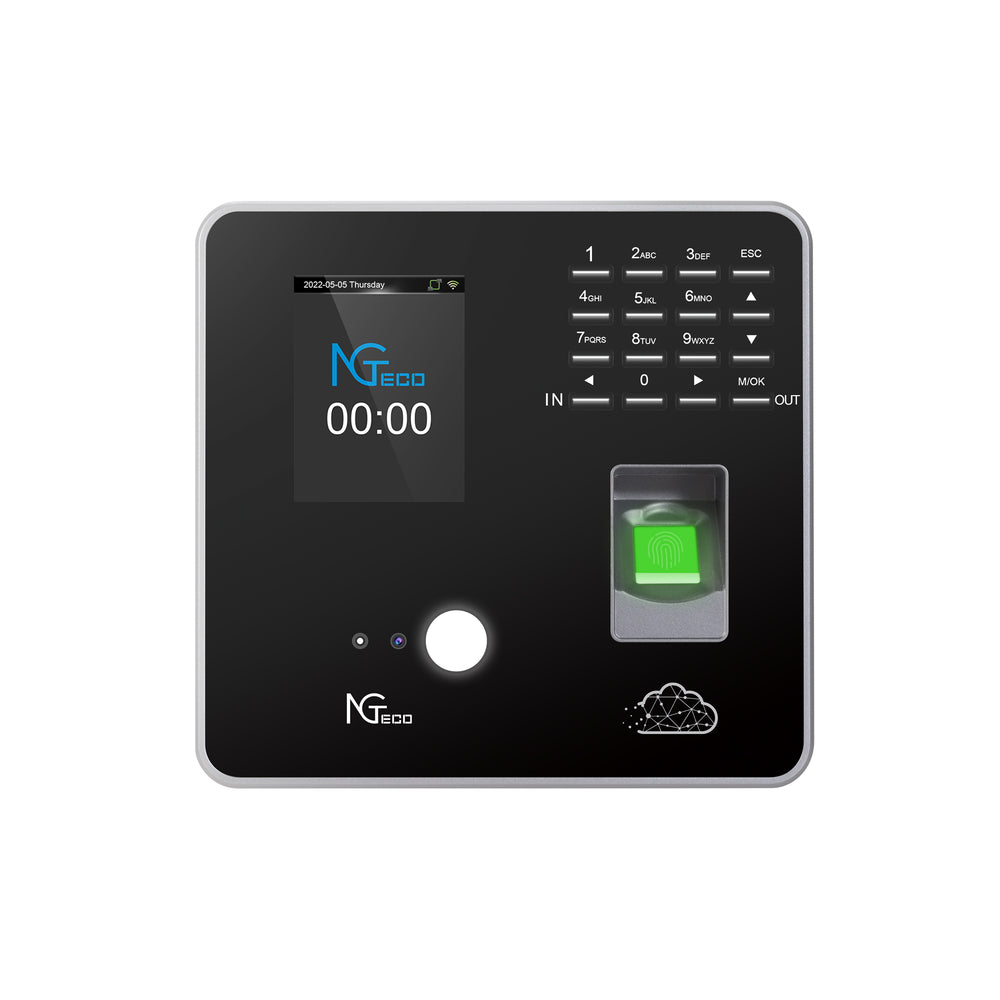
Understanding Fingerprint Clock In/Out Machines
Fingerprint clock in/out machines are advanced devices designed to record employee attendance using unique biometric identifiers. At their core, these machines consist of a fingerprint scanner, a processor, and a database for storing employee information. When an employee places their finger on the scanner, the machine captures the fingerprint's unique patterns and compares them to the stored data. If there's a match, the system records the time and grants access.
The technology behind fingerprint recognition is based on the unique characteristics found in each person's fingerprint. This includes features such as ridge endings and bifurcations, which are analyzed by algorithms to create a digital representation of the fingerprint. The reliability of this technology is notable, often boasting accuracy rates exceeding 98%. Personal anecdotes from friends who work in corporate environments reveal that the transition to fingerprint clocking has drastically reduced the instances of discrepancies in recorded hours, leading to a more trustworthy attendance system.
Benefits of Using Fingerprint Clock In/Out Machines
Implementing fingerprint clock in/out machines in the workplace offers numerous advantages. One of the primary benefits is improved accuracy in tracking employee hours. Traditional methods, such as punch cards or manual entries, are prone to errors, whether due to human mistakes or intentional time fraud. By leveraging biometric technology, employers can ensure that the recorded hours are a true reflection of when employees are present.
Another significant advantage is the reduction of time fraud. With fingerprint systems, the possibility of "buddy punching" is virtually eliminated since each employee must clock in and out using their unique fingerprint. This not only saves money but also fosters a culture of accountability among employees. Enhanced security is yet another benefit, as these machines provide a secure method for verifying employee identities and managing access to sensitive areas of the workplace.
How Fingerprint Clock In/Out Machines Improve Workplace Efficiency
The integration of fingerprint clock in/out machines significantly boosts overall workplace efficiency. The automation of attendance tracking streamlines the process, allowing employees to clock in and out quickly without lengthy queues or delays. This efficiency translates to more time spent on productive work rather than administrative tasks related to timekeeping.
Moreover, these systems often come equipped with software that generates reports and analytics, providing employers with valuable insights into attendance patterns and employee performance. My friend, who recently introduced a fingerprint system at her company, shared that it not only made the attendance process smoother but also allowed management to identify trends, such as frequent tardiness, enabling them to address potential issues proactively. Ultimately, fingerprint clock in/out machines reduce administrative burdens, freeing up HR resources to focus on more strategic initiatives.
Challenges and Considerations
Despite their numerous benefits, the adoption of fingerprint clock in/out machines is not without challenges. Privacy concerns can arise, as some employees may feel uneasy about their biometric data being stored. It's crucial for employers to communicate the security measures in place to protect this sensitive information, assuring employees that their data will be handled responsibly.
Additionally, the initial costs of implementing such systems can be a barrier for some businesses. However, companies should consider the long-term savings associated with reduced time fraud and increased efficiency. Employee acceptance is also vital; involving staff in the decision-making process and providing training can help ease the transition. By addressing these challenges head-on, organizations can successfully implement fingerprint clock in/out machines and reap their full benefits.
Maximizing Efficiency with Biometric Timekeeping
Fingerprint clock in/out machines represent a significant advancement in timekeeping technology, offering modern workplaces a reliable and efficient solution for tracking attendance. Their ability to enhance accuracy, reduce time fraud, and improve overall workplace efficiency cannot be overstated. As businesses continue to embrace technological advancements, the integration of biometric systems will likely become standard practice. With proper implementation and consideration of potential challenges, organizations can leverage these systems to foster a more accountable and productive work environment.



commentaires