


Unlock the Secret to Effortless Fat Tire E-Bike Transport!
Transporting fat tire e-bikes can be a daunting task if you don’t have the right equipment. These robust bicycles, designed for rugged terrains, not only provide an exhilarating riding experience but also come with their own set of challenges when it comes to transportation. A suitable rack is essential for convenience and safety, ensuring that your e-bike is securely mounted while you travel. Whether you're heading to a remote trail or a local park, having the right fat tire e-bike rack can make all the difference. In this article, we will explore various options and considerations to help you choose the perfect rack for your needs.
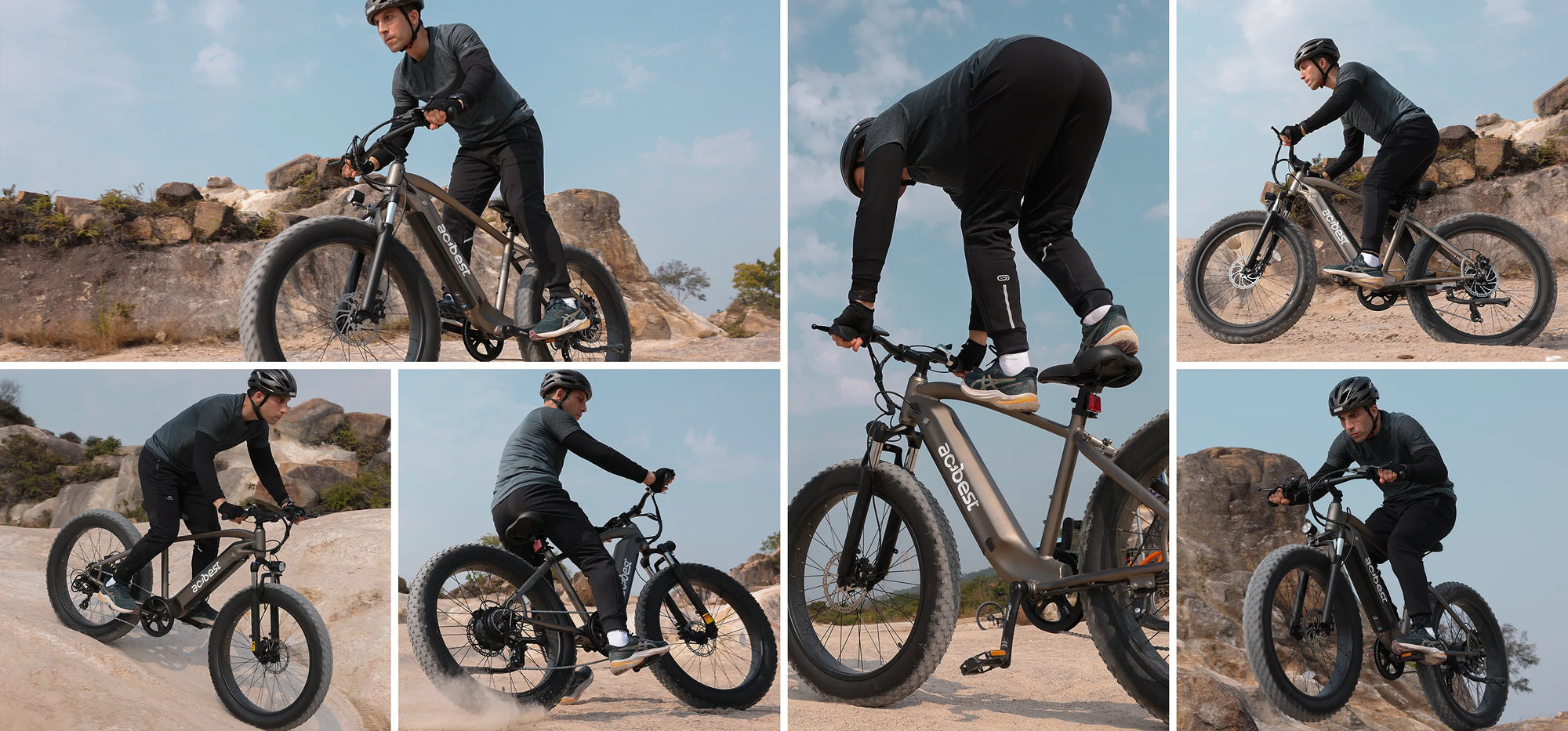
Understanding Fat Tire E-Bikes and Their Requirements
Fat tire e-bikes are equipped with oversized tires that provide increased traction and stability on challenging surfaces like sand, snow, and mud. These bikes are typically heavier than standard e-bikes due to their robust construction and larger batteries, which means they require specialized racks for transport. The unique features of fat tire e-bikes, including their width—often exceeding 4 inches—demand a rack that can accommodate these larger dimensions without compromising safety. When selecting a rack, it is essential to consider not only the frame size but also the weight capacity to ensure that the rack can handle the combined weight of the bike and any additional gear. Understanding these requirements can help you make an informed choice, ensuring that your e-bike is both secure and easy to transport.
Types of Fat Tire E-Bike Racks
When it comes to transporting fat tire e-bikes, there are several types of racks available on the market, each with its own set of advantages and disadvantages. The three most common types are hitch-mounted, trunk-mounted, and platform racks. Each type varies in terms of installation, ease of use, and suitability for different vehicles. For instance, hitch-mounted racks are generally more stable and easier to load, while trunk-mounted racks may offer more versatility but can be trickier to install. Understanding the pros and cons of each type can help you choose the best solution for your transportation needs.
Hitch-Mounted Racks
Hitch-mounted racks are popular for their stability and ease of use. They attach directly to the receiver hitch of your vehicle, providing a secure base for your fat tire e-bike. Installation is straightforward, typically requiring minimal tools, which means you can quickly attach or detach the rack as needed. These racks often come with adjustable features to accommodate the width of fat tire e-bikes, making them suitable for various bike models. However, you will need to ensure that your vehicle is equipped with a compatible hitch, which may require additional investment if your vehicle isn't already equipped.
Trunk-Mounted Racks
Trunk-mounted racks are a more affordable and versatile option, fitting a wide range of vehicles without the need for a hitch. These racks use straps and hooks to secure themselves to the trunk or rear hatch of your car. While they are easier to install and remove, their design may not hold heavier fat tire e-bikes as securely as hitch-mounted options. Additionally, the loading process can be more cumbersome, and care must be taken to avoid damaging the vehicle's surface. If you frequently transport your fat tire e-bike, consider whether the convenience of a trunk-mounted rack outweighs its limitations.
Platform Racks
Platform racks are designed specifically for ease of loading and stability during transport. They feature a flat platform that allows you to roll your fat tire e-bike onto it, securing it with adjustable straps or clamps. This design not only makes loading and unloading a breeze but also minimizes the risk of damage to your bike during transport. Many platform racks are hitch-mounted, providing a sturdy base for heavier e-bikes. However, they can be bulkier and more expensive than other types, so it’s essential to evaluate your transportation needs and budget before investing in this option.
Factors to Consider When Choosing a Rack
Choosing the right rack for your fat tire e-bike involves several important factors. First and foremost, consider the weight capacity of the rack. You need to ensure that it can handle the combined weight of your bike and any additional gear you plan to transport. Next, think about the ease of installation; a user-friendly design can save you time and frustration. Security features are also crucial—look for racks with locking mechanisms to prevent theft while you’re on the road. Lastly, compatibility with your bike’s dimensions, particularly the tire width, is key. A rack that doesn’t accommodate your bike properly can lead to unsafe transport conditions.
Safety Tips for Transporting Fat Tire E-Bikes
Once you have chosen the right rack, it's essential to follow some practical safety tips to ensure your fat tire e-bike is securely transported. Start by loading your bike properly, making sure it is balanced on the rack and that all straps or clamps are securely fastened. Regularly check the bike during travel to ensure that it remains in place, especially if you’re navigating bumpy roads. Before hitting the road, perform a quick inspection of the rack and your bike, checking for any signs of wear or damage. By taking these precautions, you can enjoy peace of mind knowing that your fat tire e-bike is securely transported to your next adventure.
Choosing the Right Rack for Your Fat Tire E-Bike
Selecting the right fat tire e-bike rack is essential for ensuring safe and convenient transport. By understanding the unique requirements of fat tire e-bikes and considering the various types of racks available, you can make an informed decision that meets your specific needs. Remember to assess factors such as weight capacity, installation ease, and safety features before making a purchase. With the right rack, you’ll be ready to embark on your next outdoor adventure with confidence and ease.



تعليقات