


Transform Your Space: Discover the Magic of Blackout Roller Shades!
In recent years, blackout roller shades have emerged as a popular choice for homeowners looking to enhance their living spaces. These innovative window treatments not only offer a stylish aesthetic but also serve practical purposes that can significantly improve your home environment. Whether you’re trying to create a serene atmosphere for a good night’s sleep or simply want to protect your furniture from harmful UV rays, blackout roller shades have got you covered. In this article, we will delve into what blackout roller shades are, their benefits, features to consider, how they work, and tips for choosing the right shades for your space. Get ready to transform your home with these versatile window coverings!
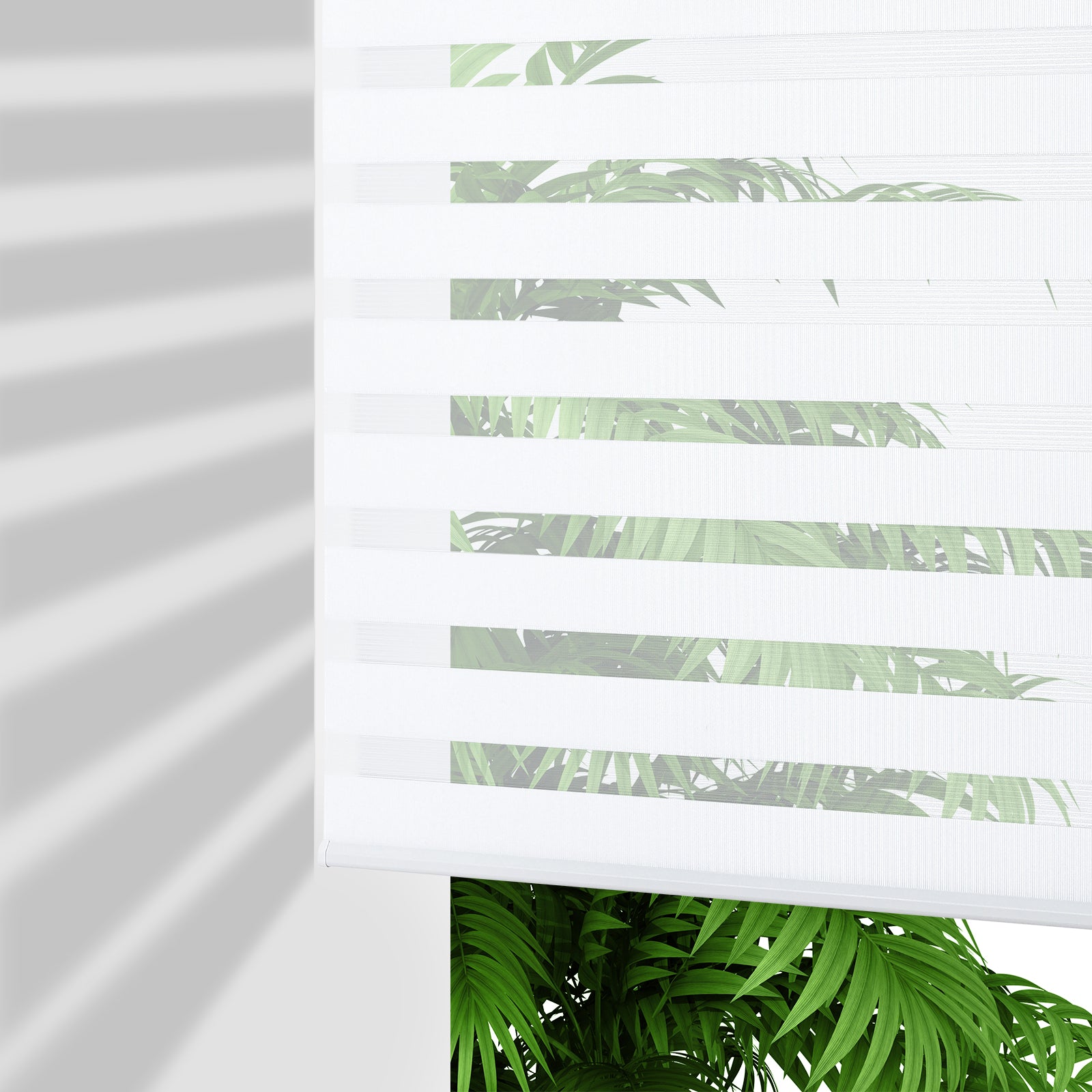
Understanding Blackout Roller Shades
Blackout roller shades are specialized window coverings designed to block out light completely, creating a dark environment when drawn down. Unlike traditional curtains or sheer shades, which may allow some light to filter through, blackout roller shades are crafted from opaque materials that provide complete light control. Their design typically consists of a single piece of fabric that rolls up and down on a roller mechanism, allowing for easy operation and a sleek appearance. Furthermore, blackout shades can be customized to fit various window sizes and styles, making them a versatile option for any room in your home. Their functionality extends beyond aesthetics, as they are also effective in insulating windows, contributing to energy efficiency.
Benefits of Blackout Roller Shades
One of the most significant benefits of blackout roller shades is their ability to control light effectively. This feature is particularly advantageous for bedrooms, where complete darkness can enhance sleep quality by blocking out streetlights or early morning sun. Additionally, blackout shades provide a high level of privacy, allowing you to enjoy your space without the worry of prying eyes from outside. Beyond comfort and privacy, these shades also contribute to energy efficiency by preventing heat loss during winter and keeping rooms cooler during summer months, which can lead to lower energy bills. Furthermore, they can protect your furniture, carpets, and artwork from fading due to prolonged exposure to sunlight, ensuring that your home remains vibrant and stylish.
Features to Consider
When selecting blackout roller shades, it is essential to consider various features to find the perfect fit for your home. The fabric type is crucial; options may include 100% polyester, cotton blends, or even materials with added insulation. Color choices are also plentiful, allowing you to match your shades to your existing decor seamlessly. Size is another important factor—measuring your windows accurately will ensure a snug fit that maximizes light blockage. Operating mechanisms can vary as well; manual shades are often more cost-effective, while motorized versions offer convenience, particularly for hard-to-reach windows. Customization options, such as the addition of valances or decorative trims, can also enhance the visual appeal of your shades while maintaining their functional benefits.
How Blackout Roller Shades Work
The mechanics of blackout roller shades are relatively simple yet highly effective. Installation typically involves mounting the roller mechanism to the window frame or wall, with the fabric then attached to the roller. When you pull the cord or press a button (for motorized shades), the fabric rolls down to cover the window, blocking incoming light. The shades can be designed to fit snugly within the window frame or extend beyond it, depending on your desired look. Many blackout shades also feature a light gap reducer, which minimizes the amount of light that seeps in around the edges. This ensures that you achieve maximum darkness, making them ideal for bedrooms, media rooms, or any area where light control is paramount.
Choosing the Right Blackout Roller Shades for Your Space
When it comes to choosing blackout roller shades, consider the specific needs of each room. For bedrooms, prioritize fabric that offers maximum light blockage and choose colors that promote a calming atmosphere. In living areas or home theaters, opt for shades that complement your decor while still providing effective light control. Additionally, think about the operating mechanism; if you frequently adjust your shades, a motorized option might be the best choice for convenience. Don’t forget to measure your windows accurately and explore customization options to ensure that your shades fit perfectly and enhance your overall home design. Personal experiences can be enlightening here; a friend of mine recently installed blackout shades in their nursery, and they reported a significant improvement in their baby’s sleep patterns—a win-win for both parent and child!
Final Thoughts on Blackout Roller Shades
In summary, blackout roller shades are an excellent addition to any home, offering a blend of style, functionality, and comfort. Their ability to block light, enhance privacy, and improve energy efficiency makes them a worthwhile investment for homeowners. By understanding their features and mechanics, as well as considering your specific needs, you can choose the perfect blackout shades to transform your spaces. So why not explore the possibilities and consider incorporating blackout roller shades into your home design? You might just find that they bring the tranquil and stylish atmosphere you’ve been looking for!





Comments