


Unlock the Secrets: Discover the Ultimate Variable Frequency Drive for Your Needs!
Variable frequency drives (VFDs) have become essential components in modern industrial applications, offering unparalleled control over motor speed and efficiency. By adjusting the frequency and voltage supplied to an electric motor, VFDs can significantly enhance performance, reduce energy consumption, and extend the lifespan of equipment. As industries strive to become more energy-efficient and cost-effective, understanding the various types of VFDs available in the market is crucial. This article aims to compare different VFD products to empower readers with the knowledge they need to make informed purchasing decisions, whether for a small workshop or a large manufacturing facility.
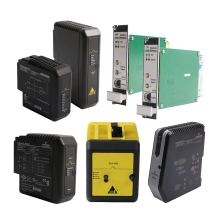
Understanding Variable Frequency Drives
A variable frequency drive is an electronic device that controls the speed and torque of an electric motor by varying the frequency and voltage of the power supplied to the motor. The technology behind VFDs involves the conversion of incoming AC power into DC power and then back into AC power at the desired frequency. This process allows for precise control of motor operations, enabling smoother acceleration and deceleration, which is particularly beneficial in applications requiring variable speed. One of the primary advantages of VFDs is their ability to improve energy efficiency; by matching the motor speed to the actual demand, they can reduce energy consumption by a significant margin. Additionally, VFDs help to minimize mechanical stress on the motor and connected equipment, leading to lower maintenance costs and increased reliability.
Key Features to Consider When Choosing a VFD
When selecting a variable frequency drive, several critical features should be evaluated to ensure compatibility with your system and the achievement of desired performance outcomes. First, consider the power rating, as it must match or exceed the motor's requirements; an undersized VFD can lead to overheating and failure. Next, examine the control methods offered by the VFD, such as V/f control, vector control, or direct torque control, as these will impact the motor's responsiveness and efficiency. Additionally, compatibility with existing systems is vital; choosing a VFD that can communicate effectively with your current control systems and sensors will facilitate smoother integration and operation. Other important features include protection against overcurrent, overvoltage, and thermal overload, as well as built-in diagnostic capabilities that can help in troubleshooting issues quickly.
Comparison of Different Types of Variable Frequency Drives
There are several types of variable frequency drives available in the market, each designed for specific applications and environments. Open loop VFDs are most commonly used in general applications where precise speed control is not critical. They rely solely on the input frequency and do not provide feedback from the motor. Closed loop VFDs, on the other hand, incorporate feedback mechanisms, such as encoders, to monitor motor performance and adjust the output accordingly. This makes them ideal for applications requiring high precision and performance. Servo drives are a specialized type of VFD that combine precise control with high performance, making them suitable for motion control applications and systems requiring rapid acceleration and deceleration. Each type has its own advantages, and understanding their distinctions can help users select the most appropriate drive for their specific requirements.
Open Loop vs. Closed Loop Drives
The primary difference between open loop and closed loop variable frequency drives lies in their feedback mechanisms. Open loop drives are simpler and typically less expensive, making them suitable for basic applications where the motor's speed is not critical. However, they lack the ability to adjust in real time based on motor performance, which can lead to inefficiencies in certain scenarios. Closed loop drives, conversely, utilize sensors to provide feedback on motor speed and position, allowing for more precise control. This feature is particularly beneficial in applications that demand high accuracy, such as robotics or conveyor systems. While closed loop systems are generally more expensive, the increased efficiency and performance can justify the investment in many cases.
Servo Drives and Their Applications
Servo drives represent a specialized class of variable frequency drives designed for applications requiring high precision and rapid response. They utilize feedback systems to ensure that the motor operates at the desired speed and torque, making them ideal for tasks such as CNC machining, robotics, and automated assembly lines. For instance, a friend of mine works in a manufacturing plant that recently upgraded to servo drives for their robotic assembly. The change resulted in a noticeable improvement in both speed and accuracy, enabling them to reduce production time and increase output. Servo drives are particularly beneficial in environments where load conditions vary frequently, as their ability to adjust quickly to changes makes them an indispensable tool in modern automation.
Selecting the Right Variable Frequency Drive
In summary, understanding the different types of variable frequency drives and their features is crucial for selecting the best option for your specific needs. Whether you require a simple open loop drive for basic applications or a sophisticated closed loop or servo drive for high-performance tasks, the right VFD can lead to significant improvements in efficiency and equipment longevity. As you consider your unique requirements, take the time to evaluate various products on the market carefully. By doing so, you will be well-equipped to make an informed decision that not only meets your operational needs but also contributes to your overall energy savings and productivity.



تعليقات