


More from Tiny homes

Related Blogs


Les archives
Partage Social
Embrace Sustainable Living: Discover the Benefits of Tiny Homes and Container Homes
Corps
In today’s fast-paced world, where environmental concerns and housing costs continue to rise, more people are turning to alternative living solutions. Two standout options that have gained significant popularity in recent years are tiny homes and container homes. These housing trends are not just about downsizing space—they're about upgrading your lifestyle. By combining minimalism, sustainability, and affordability, both tiny homes and container homes offer an innovative way to live more intentionally and responsibly.
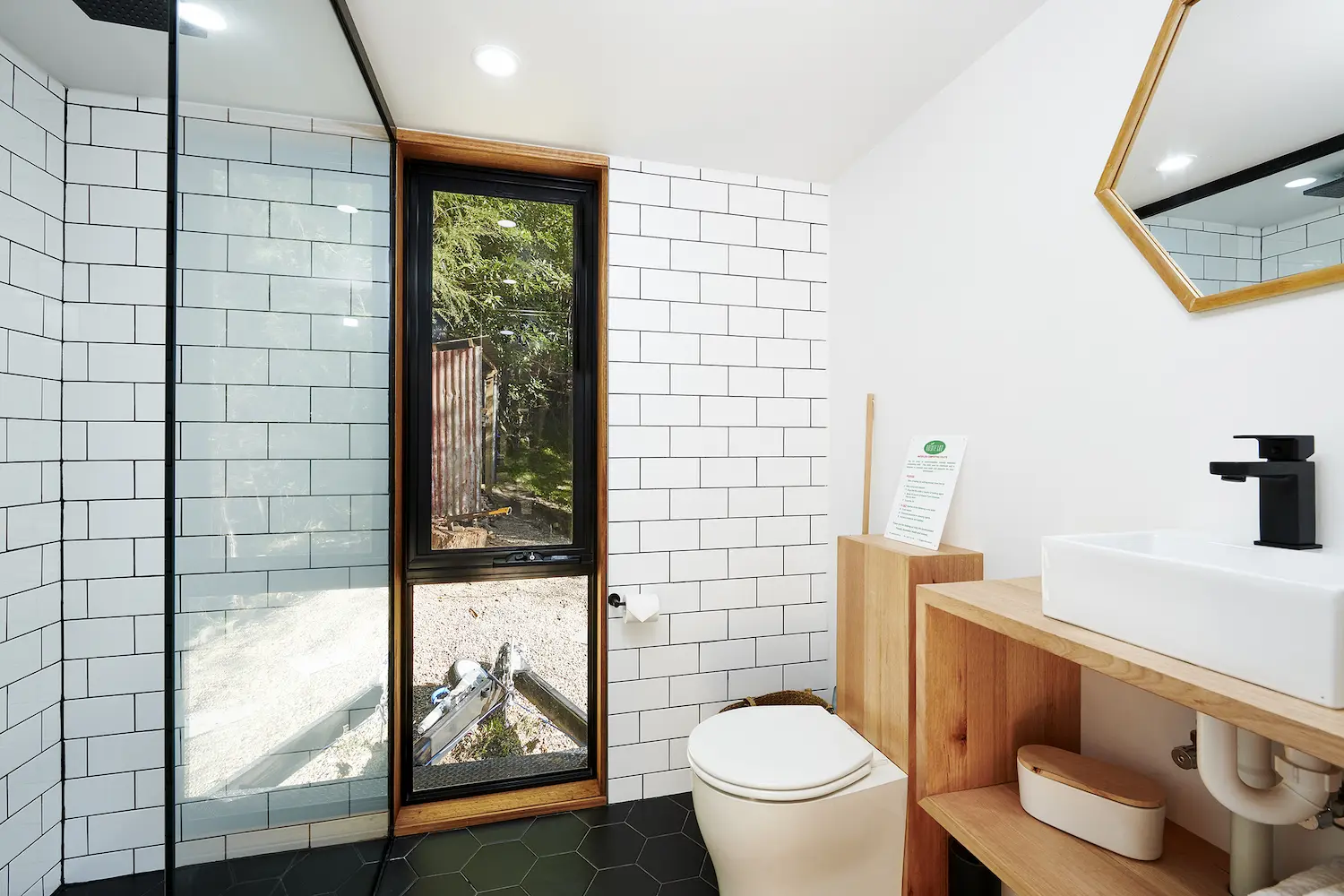
Why Tiny Homes Are More Than Just a Trend
Tiny homes are exactly what they sound like—compact, fully functional houses that typically range from 100 to 400 square feet. Despite their size, tiny homes pack a punch when it comes to utility, design, and comfort. With a rise in housing costs and growing environmental awareness, many individuals and families are choosing to downsize for both practical and philosophical reasons.
One of the biggest advantages of living in a tiny home is the financial freedom it can offer. The cost of building or buying a tiny home is significantly less than a traditional house. In many cases, tiny homes can be built for under $50,000, which is a fraction of the cost of standard housing. This allows homeowners to avoid mortgages, reduce debt, and increase savings.
Tiny homes also promote a minimalist lifestyle. With limited space, residents are encouraged to prioritize needs over wants. This can lead to reduced consumption, less clutter, and a greater focus on meaningful experiences over material possessions. Living small often equates to living large in terms of life satisfaction.
The Rise of Container Homes: Recycled, Resilient, and Stylish
Container homes are another exciting housing alternative that’s transforming the real estate landscape. Built from repurposed shipping containers, these homes are not only sturdy and durable but also environmentally friendly. Container homes appeal to eco-conscious individuals who value sustainability without sacrificing modern design.
Shipping containers are built to withstand extreme conditions, which makes them an ideal structure for homes. They are windproof, waterproof, and pest-resistant. Additionally, their modular nature allows for versatile design options. Whether you want a single-unit studio or a multi-container family home, the customization possibilities are endless.
One major benefit of container homes is their quick construction timeline. Because the base structure is already in place, building a container home can take a matter of weeks rather than months. This makes them a great option for those who need a home fast without compromising on quality.
Tiny Homes vs. Container Homes: Which One Is Right for You?
Choosing between a tiny home and a container home depends on your personal lifestyle, budget, and aesthetic preferences.
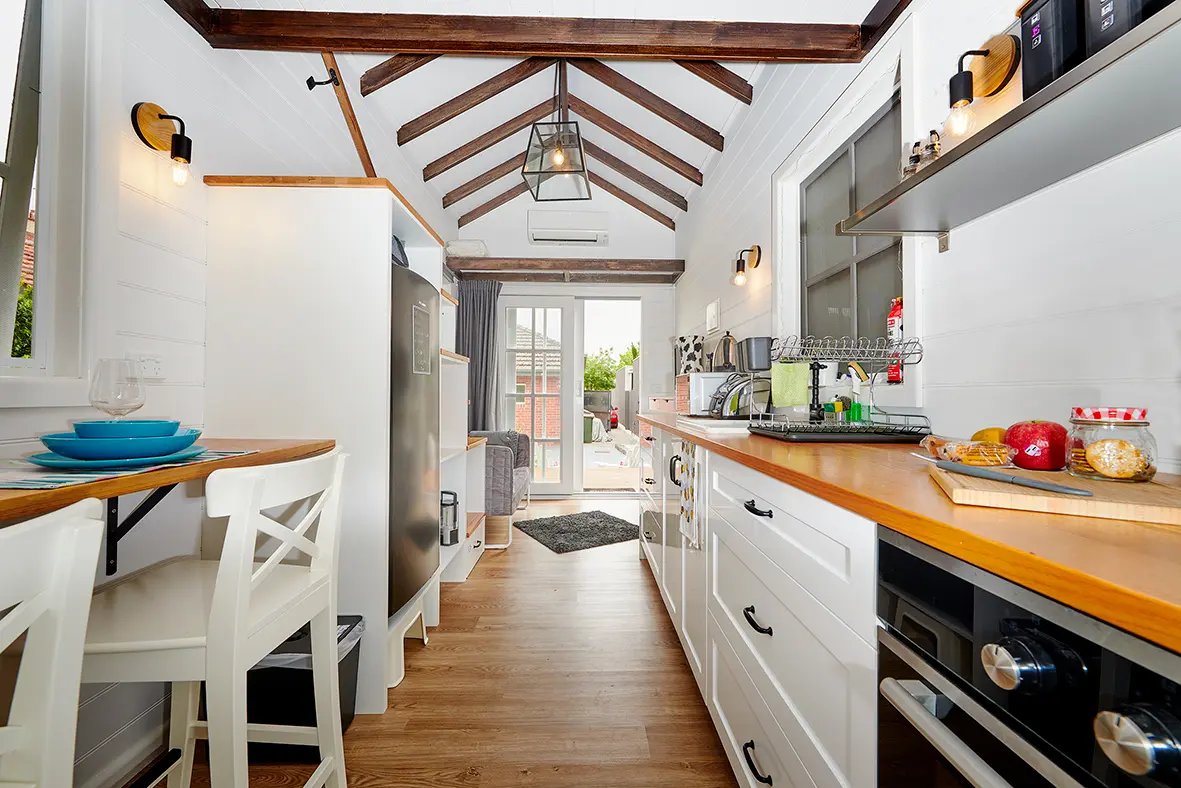
Tiny homes are perfect for those looking for a cozy, cabin-like atmosphere. They often feature wooden interiors, lofted sleeping areas, and built-in furniture to maximize space. Tiny homes are especially popular among retirees, single individuals, and couples seeking to live more simply and affordably.
Container homes, on the other hand, appeal to those who prefer a modern, industrial design. With steel exteriors and open-plan interiors, container homes can offer a sleek, contemporary look. They are also ideal for urban settings or off-grid living, as they can be easily transported and installed on a variety of terrains.
Both options can be outfitted with eco-friendly features such as solar panels, rainwater collection systems, composting toilets, and energy-efficient appliances. Whether you're an environmentalist, a digital nomad, or someone simply looking for a lifestyle change, either option provides a great platform for sustainable living.
The Environmental Impact: Building a Greener Future
One of the most compelling reasons to consider tiny homes and container homes is their positive environmental impact. Traditional construction consumes massive amounts of raw materials and produces significant waste. In contrast, these alternative homes use fewer resources and often repurpose existing materials.
Tiny homes require less energy to heat and cool, which reduces your carbon footprint and lowers utility bills. Similarly, container homes contribute to the recycling movement by repurposing used shipping containers that would otherwise sit idle or end up in scrapyards.
Moreover, the smaller footprint of these homes encourages the conservation of land. Instead of sprawling suburbs, tiny and container home communities are forming with shared gardens, communal spaces, and a strong sense of community.
The Future of Housing Is Compact and Conscious
As the global population grows and cities become more congested, it’s clear that our approach to housing must evolve. Tiny homes and container homes present practical, affordable, and eco-friendly solutions to modern housing challenges. They offer the chance to live with less while gaining more—more freedom, more savings, and more connection to the environment.
Municipalities across the world are starting to recognize the value of these homes. Zoning laws and building codes are gradually adapting to accommodate the growing interest in these sustainable living models. From urban backyards to rural retreats, tiny homes and container homes are carving out a permanent place in the housing market.
Conclusion
Whether you're seeking financial independence, a minimalist lifestyle, or an eco-conscious way to live, tiny homes and container homes offer a powerful alternative to conventional housing. These innovative dwellings allow you to break free from the constraints of traditional living and embrace a more sustainable, fulfilling life.
If you're ready to make a change, now is the perfect time to explore the world of tiny homes and container homes. With endless customization options and benefits that extend far beyond square footage, these modern living spaces are proving that good things really do come in small—and recycled—packages.



commentaires