


Unlocking the Secrets of Allen Bradley 1756 Series: Discover the Perfect Parts for Your Needs!
The Allen Bradley 1756 series parts has carved a niche in the realm of industrial automation and control systems, becoming a cornerstone for many engineering professionals. Designed for high performance and flexibility, this series is the go-to choice for those seeking reliable solutions in complex automation environments. By understanding the various components within the 1756 series, users can make informed decisions about their systems, ensuring seamless integration and optimal functionality. This article aims to explore the essential parts of the Allen Bradley 1756 series, their features, compatibility, and the roles they play in enhancing industrial processes.
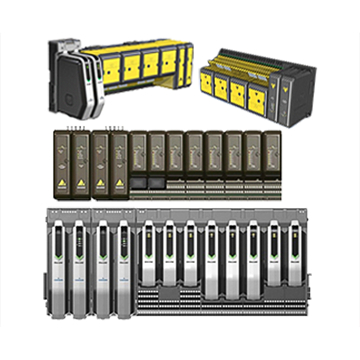
Overview of Allen Bradley 1756 Series
The Allen Bradley 1756 series serves as a powerful platform for automation control, offering a comprehensive suite of components tailored for various applications. This series is primarily utilized in manufacturing settings, where precision and efficiency are paramount. With its modular design, the 1756 series allows users to customize their systems to meet specific operational requirements, making it a favored choice among industry professionals. From automotive manufacturing to food processing, the versatility of the 1756 series ensures it can adapt to a wide range of environments. Moreover, its robust construction and advanced technology contribute to its reputation as a leader in the field of industrial automation.
Key Components of the 1756 Series
Understanding the key components of the 1756 series is crucial for anyone looking to implement or upgrade their industrial automation systems. The main components include controllers, I/O modules, power supplies, and communication modules, each playing a vital role in the overall functionality of the system. Together, these elements form a cohesive unit that can handle complex tasks while maintaining reliability and efficiency. As a friend of mine once noted after completing an upgrade in his manufacturing facility, the right combination of these components can significantly streamline operations and enhance productivity.
Controllers
The controllers within the 1756 series are the brains of the operation, managing and executing control tasks based on programmed logic. Available in various types, these controllers cater to different application needs, from simple operations to intricate processing tasks. Depending on the specific requirements, users can select from standard controllers or more advanced options that offer enhanced processing power and extended functionalities. This adaptability allows for tailored solutions that can grow with the needs of a facility, as I witnessed firsthand when my colleague upgraded to a more powerful controller for his production line, resulting in improved efficiency.
I/O Modules
I/O modules are critical for interfacing the controllers with field devices. These modules come in various configurations, including digital and analog types, each designed for specific tasks. When selecting an I/O module, it's essential to consider the application's requirements, such as the type of signals being processed and the number of channels needed. A friend of mine faced a challenge when choosing the right I/O module for his automation project, but once he understood the nuances of his application, he was able to pinpoint the ideal module, leading to a smooth integration into his existing system.
Power Supplies
Power supplies within the 1756 series are vital for ensuring all components receive the necessary electrical power for optimal operation. These supplies come with various voltage and current ratings to accommodate different setups, making it important to choose one that aligns with the overall system requirements. Additionally, understanding the compatibility of power supplies with other components can prevent operational issues down the line. A personal experience shared by a colleague highlighted the importance of selecting the right power supply; after a miscalculation, he faced unexpected downtime, which underscored the need for thorough compatibility checks.
Communication Modules
Communication modules are essential for enabling data exchange between the 1756 series and other devices in the network. These modules support various communication protocols, allowing for seamless integration into diverse environments. When selecting a communication module, users should consider the existing infrastructure and ensure that the selected module is compatible with their current systems. A friend who recently expanded his factory's automation capabilities found that the right communication module made a significant difference in data transfer efficiency, enhancing overall productivity.
Compatibility Considerations
When selecting parts for the Allen Bradley 1756 series, compatibility is a critical factor that cannot be overlooked. Ensuring that new components can work harmoniously with existing systems and software is paramount to maintaining operational integrity. Users should consider the specifications of their current setup, including hardware and software versions, to avoid integration challenges. Additionally, consulting documentation and compatibility guides can provide valuable insights for making informed decisions. I recall a situation where a technician overlooked compatibility details during an upgrade, resulting in delays and additional costs—an experience that serves as a reminder of the importance of thorough research.
Features and Benefits of 1756 Series Parts
The Allen Bradley 1756 series parts are engineered with a range of features that offer significant advantages for users. One of the standout aspects is their reliability, which is crucial for minimizing downtime in industrial environments. Additionally, the modular nature of the components allows for easy upgrades and scalability, ensuring that systems can evolve alongside changing operational demands. The ease of use is another beneficial feature, with user-friendly interfaces and straightforward integration processes that facilitate smoother installations. A friend who recently implemented the 1756 series in his facility remarked on how the intuitive design significantly reduced the learning curve for his team, making the transition seamless.
Maximizing Efficiency with Allen Bradley 1756 Series Parts
In summary, understanding the various parts of the Allen Bradley 1756 series is essential for anyone looking to enhance their industrial automation systems. From controllers to communication modules, each component plays a crucial role in ensuring optimal performance. By considering compatibility and leveraging the unique features of these parts, users can create tailored solutions that meet their specific needs. Whether you're upgrading existing systems or implementing new ones, a thorough understanding of the 1756 series parts will empower you to make informed decisions that drive efficiency and reliability in your operations.



commentaires