


Unlocking the Secret to Smooth Bottle Feeding: Discover the Perfect Bottles for Your Little One!
Transitioning from breastfeeding to bottle feeding is a significant milestone for both parents and babies. While some may navigate this change seamlessly, others face various challenges along the way. Whether it’s due to returning to work, personal preference, or other circumstances, choosing the right bottle can make all the difference in facilitating a smooth transition. In this article, we will explore the best bottles for transitioning from breast to bottle, highlighting essential features, various types available, practical tips for introduction, and common challenges parents may encounter. By the end, you’ll be well-equipped to select the perfect bottle that caters to your baby’s needs, ensuring a comfortable feeding experience for both of you.
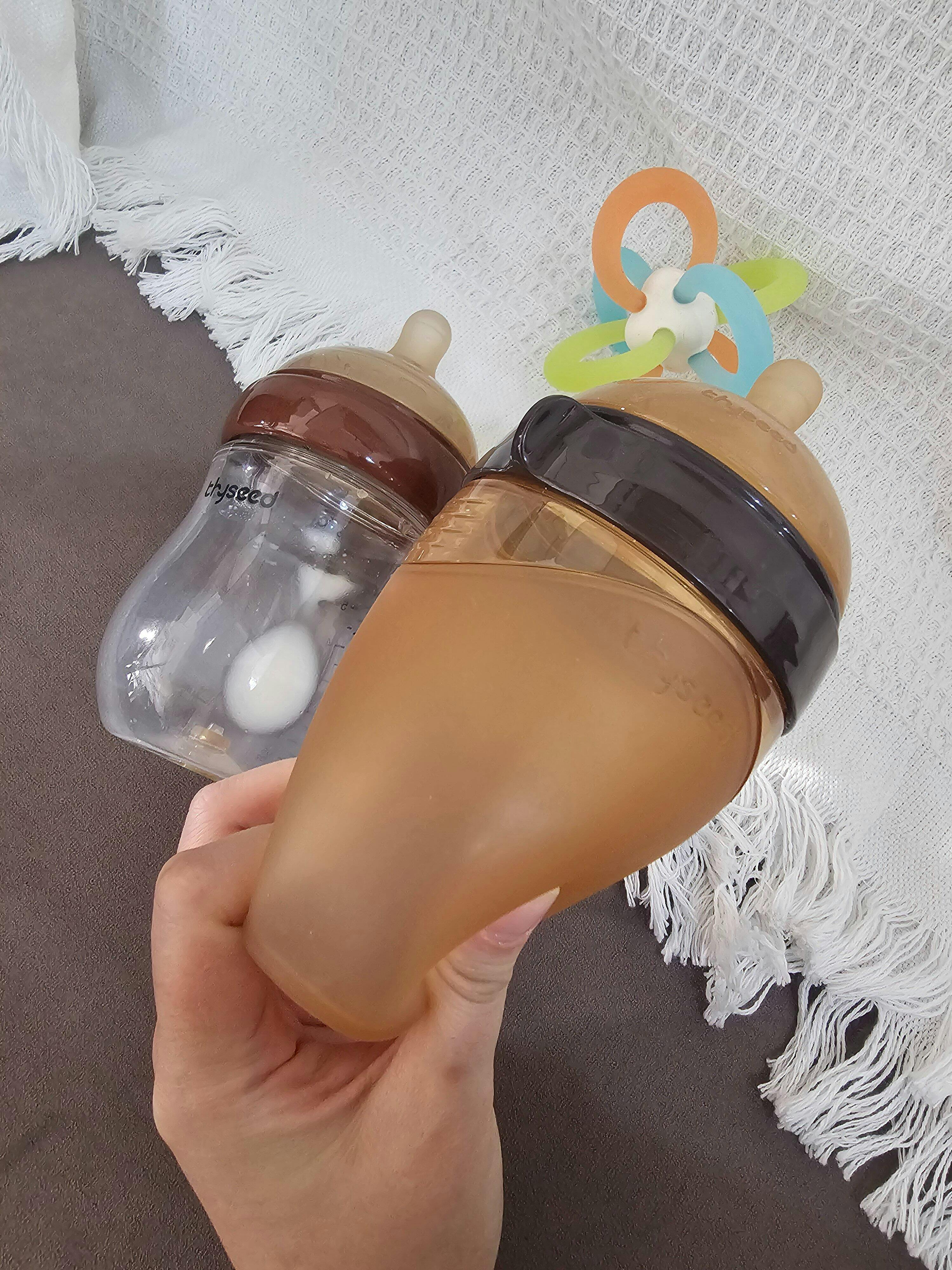
Understanding the Transition from Breast to Bottle
There are numerous reasons why parents may find themselves needing to transition their little ones from breastfeeding to bottle feeding. For some, it’s the necessity of returning to work after maternity leave; for others, it may be a personal choice to introduce bottle feeding for convenience or flexibility. Regardless of the reason, this transition can often be fraught with challenges. Babies may resist the bottle initially, leading to frustration for both the parent and child. Choosing the right bottle is crucial in easing this transition, as the right fit can help mimic the breastfeeding experience, making it easier for your baby to accept the change. Understanding the significance of this step can help parents approach the transition with confidence and patience.
Key Features to Look for in Bottles
When selecting bottles for transitioning from breastfeeding, there are several key features to consider. Firstly, the nipple shape is essential; look for nipples that closely resemble the breast to facilitate a natural latch. The flow rate of the nipple should also be appropriate for your baby's age and feeding style. Moreover, the material of the bottle can affect both the feeding experience and the ease of cleaning. BPA-free plastic, glass, and silicone are popular choices, each with their advantages. Additionally, ease of cleaning is crucial, especially for busy parents. Bottles with fewer parts and wide openings can significantly simplify the cleaning process, ensuring that hygiene is maintained without adding stress.
Types of Bottles Available
There are various types of bottles on the market, each with unique features that may cater to different needs. Standard bottles are often the most common, providing a straightforward solution for bottle feeding. Wide-neck bottles are designed for easier filling and cleaning, making them a convenient option for parents. Anti-colic bottles are specifically designed to reduce gas and discomfort, which can be beneficial for babies who experience feeding issues. Each type has its pros and cons; for instance, while wide-neck bottles may be easier to clean, standard bottles may fit better in diaper bags. Understanding these differences can help parents make informed choices that suit their baby’s preferences.
Tips for Introducing the Bottle to Your Baby
Introducing the bottle to a breastfeeding baby can be a delicate process. Timing is crucial; it’s often recommended to wait until breastfeeding is well established, typically around 4-6 weeks, before introducing the bottle. When starting, choose a calm setting and consider having someone else offer the bottle to the baby, as they may associate you with breastfeeding. Experiment with different positions and hold the bottle at various angles to find what works best for your baby. Patience is key during this transition; some babies may take to the bottle immediately, while others may need time to adjust. Encouragement and a gentle approach can go a long way in making this a positive experience.
Common Challenges and Solutions
Many parents encounter challenges when transitioning from breast to bottle. One common issue is the refusal to take the bottle, often resulting in frustration. If this occurs, try experimenting with different nipple shapes, flow rates, or even different temperatures of the milk. Some babies may prefer warm milk, mimicking the warmth of breast milk. Others might be more accepting of a bottle if introduced during a time of play or exploration rather than during a feeding session. It’s essential to remain calm and not force the bottle, as this can create negative associations. Offering the bottle when the baby is calm or sleepy can sometimes yield better results. Remember that each baby is unique, and flexibility is key.
Successful Transitioning from Breast to Bottle
Transitioning from breastfeeding to bottle feeding is a significant journey for both you and your baby. By understanding the reasons for this change and the essential features to look for in bottles, parents can make informed decisions that ease this transition. The variety of bottle types available ensures that there is a suitable option for every baby’s needs. Introducing the bottle with patience and care, while being prepared to face common challenges, can lead to a successful transition. Remember to remain flexible and attentive to your baby’s cues, allowing them to adjust at their own pace. With the right approach and the best bottles for your little one, this journey can be a rewarding experience for both of you.



Comentarios