


Unlock the Secrets to Finding the Best PLC CPU Modules for Your Needs!
In the ever-evolving world of industrial automation, PLC (Programmable Logic Controller) CPU modules play a crucial role in streamlining operations and enhancing productivity. These sophisticated devices are at the heart of controlling machinery and processes, ensuring that everything runs smoothly and efficiently. From manufacturing plants to water treatment facilities, PLCs are essential for automating tasks that require precision and reliability. This article aims to guide you in selecting the best PLC CPU modules tailored to your specific applications, whether you're upgrading an existing system or embarking on a new project.
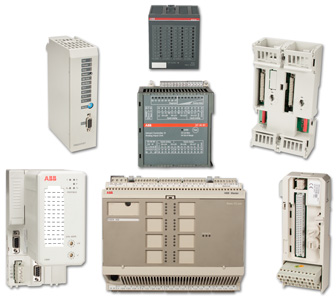
Understanding PLC CPU Modules
PLC CPU modules are the brain of the PLC system, responsible for processing input signals, executing control logic, and generating output signals to control machinery. These modules come in various types, including standard, compact, and modular configurations, each designed for specific applications. For instance, standard CPU modules are often used in large systems requiring extensive input/output (I/O) capabilities, while compact modules are ideal for smaller applications with limited space. Industries such as manufacturing, automotive, and food processing rely heavily on these modules for tasks ranging from robotic assembly to conveyor belt control. Understanding the different types of PLC CPU modules and their functionalities is vital for selecting the right one for your needs.
Factors to Consider When Choosing PLC CPU Modules
When selecting PLC CPU modules, several key factors come into play that can significantly impact your automation system's performance. First, processing speed is crucial; faster CPUs can execute complex programs and manage multiple operations simultaneously, reducing downtime and improving efficiency. Next, consider memory capacity, as it determines how much data the CPU can handle and store. Compatibility with existing systems is another critical factor; ensuring that the new CPU module can integrate seamlessly with your current setup can save time and resources. Finally, expansion options should also be evaluated; the ability to add additional I/O modules or communication interfaces can future-proof your system as your operational needs grow. Each of these factors plays a significant role in the selection process, ultimately affecting the overall performance and reliability of your automation system.
Where to Find PLC CPU Modules
Finding the right PLC CPU modules can be a daunting task, but knowing where to look can simplify the process. Online suppliers are a popular choice, offering a vast range of options and competitive prices. Websites dedicated to industrial automation often provide detailed specifications and customer reviews, helping you make informed decisions. Local distributors can also be a valuable resource, providing personalized service and support. Visiting industry expos is another excellent way to discover suppliers and see the latest technologies firsthand. When evaluating suppliers, consider their reliability and the level of customer support they offer. A trustworthy supplier will not only provide quality products but also assist you with technical inquiries and support throughout the purchasing process.
Common Mistakes to Avoid
When selecting PLC CPU modules, it's easy to make common mistakes that can lead to costly setbacks. One major pitfall is overlooking compatibility issues; always ensure that the new module can work with your existing hardware and software. Another mistake is choosing a module based solely on price; while budget is important, prioritizing quality and reliability can save you from future expenses related to failures or inefficiencies. Additionally, failing to consider future expansion needs can limit your system's growth potential. To mitigate these mistakes, take the time to research and consult with experts or peers who have experience in selecting PLC CPU modules. Their insights can provide valuable guidance and help you avoid common missteps.
Key Takeaways for Selecting PLC CPU Modules
In summary, selecting the right PLC CPU modules is a critical decision that can significantly impact your automation projects. By understanding the functions of these modules, considering key factors such as processing speed and compatibility, and knowing where to find reliable suppliers, you can make informed choices tailored to your needs. Additionally, being aware of common mistakes to avoid will help you navigate the selection process more effectively. Armed with the information provided in this article, you are now better equipped to choose the best PLC CPU modules for your applications, ensuring a successful and efficient automation experience.



Comments