


Unlock the Sky: Discover the Secrets of RC Airplanes and Soar Like Never Before!
Remote control (RC) airplanes have gained tremendous popularity among hobbyists and enthusiasts in recent years. The thrill of piloting your own aircraft, combined with the intricate engineering behind these flying machines, captivates both young and old alike. Whether you are a curious beginner or an experienced flyer, the world of RC airplanes offers something for everyone. This article will guide you through the various types of RC airplanes available, their unique features, and essential tips on how to operate and maintain them. Get ready to explore the sky and unlock the secrets of this exhilarating hobby!
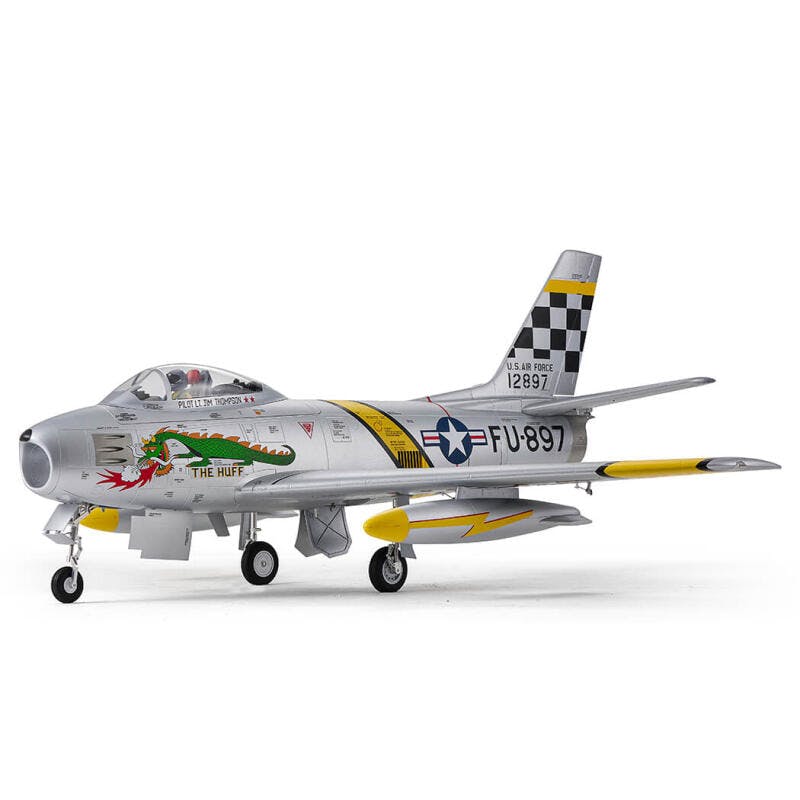
Understanding RC Airplanes
RC airplanes are miniature aircraft that can be controlled remotely using a transmitter. These planes can range from simple toy models to sophisticated replicas of real aircraft, featuring intricate designs and advanced technologies. At their core, most RC airplanes consist of several basic components: the airframe, control surfaces (like ailerons, elevators, and rudders), the propulsion system (typically a motor or engine), and the electronic control system that links the pilot's transmitter to the aircraft. One key distinction among remote control aircraft is the difference between fixed-wing planes and rotary-wing models, such as helicopters. Fixed-wing planes are designed for forward flight and are often more efficient, while helicopters can hover and maneuver in tighter spaces. Understanding these fundamental components and functions is essential for any aspiring RC pilot.
Types of RC Airplanes
The world of RC airplanes is diverse, with various types designed for specific flying styles and purposes. One common category is gliders, which are lightweight and designed for soaring flight, making them perfect for leisurely flying on calm days. Trainers are another popular type, designed specifically for beginners. They are typically stable and easy to control, allowing new pilots to learn the basics without overwhelming difficulty. Scale models are replicas of real aircraft, offering enthusiasts the chance to fly their favorite planes in miniature form, often with stunning detail. Lastly, aerobatic planes are built for high-performance flying, capable of executing advanced maneuvers like loops and rolls. Each type has its unique features and best uses, catering to the various interests and skill levels of RC pilots.
Key Features to Consider
When choosing an RC airplane, several key features should be taken into account. First, consider the size and weight of the plane. Smaller models are often easier to handle and transport, while larger planes can offer more stability in the air. The materials used in construction also play a role; foam models are lightweight and durable, whereas balsa wood planes provide a classic feel but may require more care. Battery life is another crucial factor, as it determines how long you can enjoy flying before needing to recharge. Additionally, pay attention to the control systems available. Some planes come with advanced features like telemetry, which provides real-time flight data, while others may have simpler setups. Understanding these features will help you make an informed decision and choose an airplane that suits your flying style and skill level.
How to Operate RC Airplanes
Operating an RC airplane requires practice and patience, especially for beginners. Start by familiarizing yourself with the basic controls: the throttle for speed, the ailerons for roll, the elevator for pitch, and the rudder for yaw. Each of these controls affects the aircraft's flight in different ways, so understanding their functions is crucial. Begin your flying journey with a trainer model, as it provides stability and is forgiving for new pilots. Safety is paramount; always fly in open areas away from people and obstacles, and consider using a buddy box system to practice with an experienced pilot. Additionally, take your time to observe the weather conditions before flying, as strong winds can make controlling the plane challenging. Remember, practice makes perfect, so spend time honing your skills to enjoy the full experience of flying.
Maintenance and Care
To ensure the longevity and performance of your RC airplane, regular maintenance is essential. Routine checks should include inspecting the wings, control surfaces, and propellers for any signs of wear or damage. Cleaning the airplane after each flight, especially the electronics and motor, helps prevent dirt and debris from affecting performance. When it comes to storage, keep your RC airplane in a cool, dry place away from direct sunlight to prevent warping or fading. By taking these simple maintenance steps, you can significantly extend the life of your aircraft and ensure it continues to perform at its best.
Embrace the Excitement of RC Flying
RC airplanes offer a unique blend of excitement and challenge, making them a captivating hobby for enthusiasts of all ages. From understanding the different types of planes to mastering the art of flying, the journey into the world of RC aircraft is both rewarding and exhilarating. Whether you're looking to take to the skies for fun or explore the technical aspects of aerodynamics, this hobby has much to offer. So, gather your materials, practice your skills, and prepare for takeoff—it's time to embrace the joys of flying!



Comments