


Unlock the Secret: Discover the Best Bottles for a Smooth Transition from Breastfeeding!
Transitioning from breastfeeding to bottle feeding can be a significant milestone in both a baby's and a parent's journey. Selecting the right bottle is crucial to ensure a smooth shift during this phase. Many parents face challenges such as nipple confusion, reluctance from the baby, or even emotional turmoil when making this change. Using the appropriate bottle can help alleviate these issues, making the experience more enjoyable for both parent and child. From mimicking the natural feel of breastfeeding to ensuring the right flow, the right bottle can ease the transition while supporting the baby's needs. In this article, we will explore various aspects of this transition, helping you find the best bottles for transition from breast for your little one.
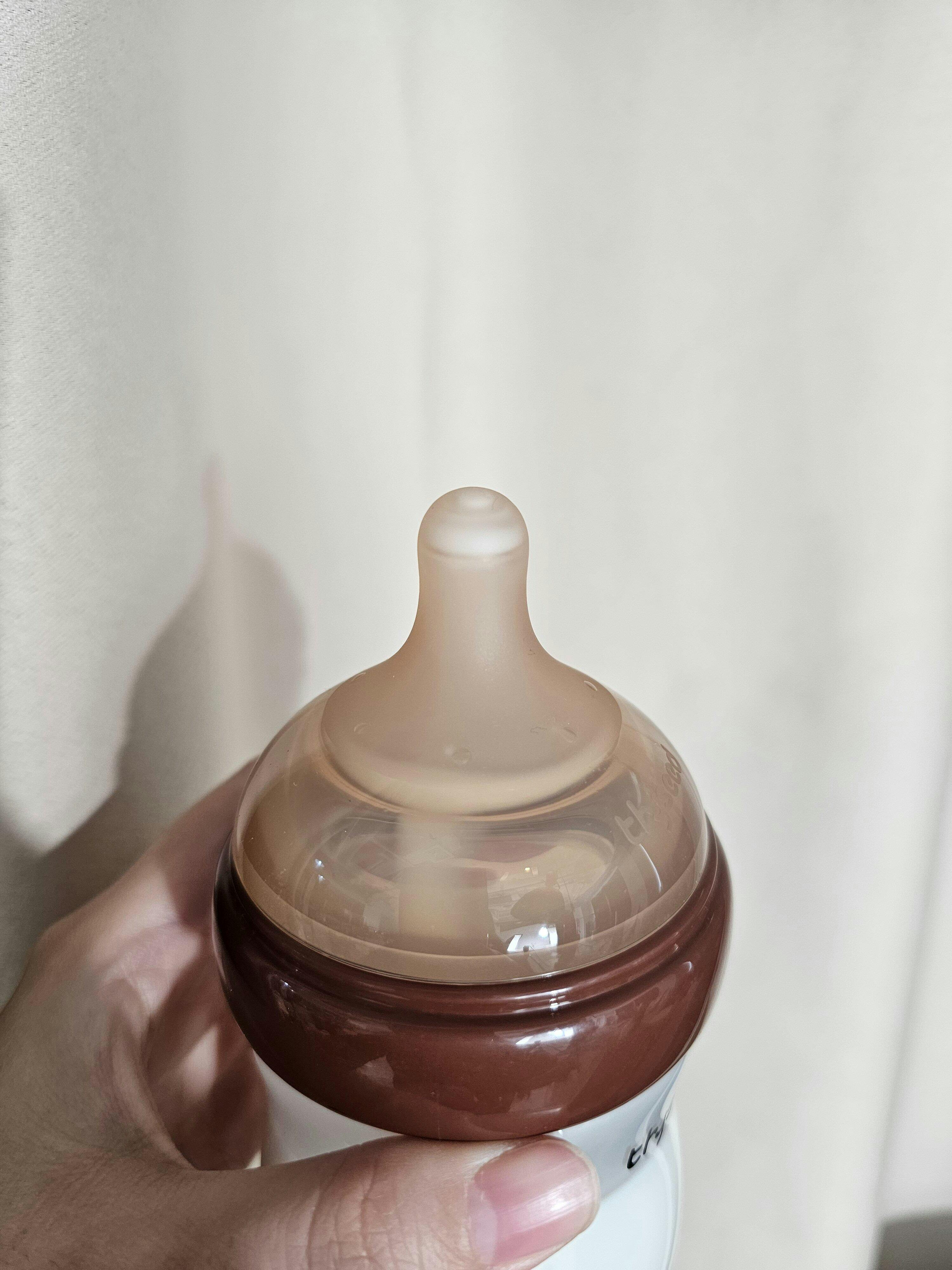
Understanding the Transition Process
The decision to transition from breastfeeding to bottle feeding can stem from various reasons, including returning to work, personal choice, or the baby reaching certain developmental milestones. For many parents, this decision is not just about practicality; it can also evoke a range of emotions. Breastfeeding fosters a unique bond, and the thought of changing that dynamic can be daunting. Additionally, babies may experience confusion or anxiety during this transition as they adapt to a different feeding method. It’s essential to approach this process with empathy and understanding, recognizing that both the parent and the baby are navigating this new chapter together. A friend's experience highlights this emotional aspect; she found that introducing a bottle during a calm and loving moment helped both her and her baby feel more secure during the transition.
Key Features to Look for in Bottles
When selecting a bottle for transitioning from breastfeeding, several key features should be considered. Nipple shape is paramount; choosing a bottle with a nipple designed to mimic the breast can help with acceptance. Flow rate is another critical aspect; starting with a slower flow can prevent overwhelming the baby. The material of the bottle can also influence the experience; options like glass, plastic, or silicone all come with their own benefits and downsides. Lastly, ease of cleaning is crucial, especially for busy parents. Bottles that can be easily taken apart and are dishwasher safe simplify the process. Understanding these features can significantly impact how well a baby adapts to bottle feeding.
Types of Bottles Available
There are various types of bottles available, and each offers unique advantages and challenges when it comes to transitioning from breastfeeding. Standard bottles are widely used and come in various sizes, but they may not always cater to the needs of a breastfed baby. Wide-neck bottles are designed for easier filling and cleaning, making them a favorite among many parents. Anti-colic bottles, featuring special valves to reduce air intake, can be beneficial for babies who experience gas or discomfort. However, while these bottles have their pros, they may also come with a learning curve. It's essential to evaluate your baby’s preferences and needs when determining which type of bottle will work best during the transition.
Tips for a Successful Transition
Introducing a bottle to a breastfed baby requires a thoughtful approach. Timing is key; many parents find success in introducing the bottle when their baby is calm and not overly hungry. Start with small amounts of expressed breast milk to make the transition smoother. Holding the baby in a comfortable position, similar to breastfeeding, can also create a positive feeding environment. It’s vital to remain patient and consistent, as some babies may take time to adjust. A friend shared that she allowed her baby to explore the bottle on their own terms, which helped her little one feel more in control during the transition.
Common Challenges and Solutions
As with any significant change, challenges are likely to arise during the transition from breastfeeding to bottle feeding. Common issues include refusal to take the bottle or a strong preference for breastfeeding. If a baby rejects the bottle, it may be helpful to try different nipple shapes or flow rates to find one that suits their preference. Additionally, involving another caregiver in the feeding process can sometimes help, as the baby might be more willing to try the bottle from someone else. Providing a comforting environment and remaining calm during these moments can go a long way in easing the transition. Remember, every baby is unique, and finding the right solution may take some experimentation.
Embracing the Transition Journey
In summary, transitioning from breastfeeding to bottle feeding is a significant shift that requires careful consideration and planning. Choosing the right bottle with appropriate features can make all the difference in easing this transition. By understanding the process, exploring different types of bottles, and employing effective strategies, parents can navigate this change with confidence. Remember, patience and consistency are key, and it’s perfectly normal to encounter challenges along the way. Embrace this journey as a natural part of your parenting experience, and celebrate the milestones achieved as both you and your baby embark on this new chapter together.



Comments