


Unlock the Secret to Attracting More Birds: Discover the Magic of Suet Holders!
Bird feeding has blossomed into a beloved pastime for nature enthusiasts, offering a delightful way to connect with wildlife right in our backyards. As we cultivate gardens and outdoor spaces, attracting a diverse array of birds becomes a rewarding endeavor. Among the various tools available to enhance our bird-watching experience, suet holders stand out as a vital instrument for drawing in feathered friends. These ingenious devices provide a rich and nutritious food source, particularly favored by many birds, making them an essential addition to any bird feeder setup.
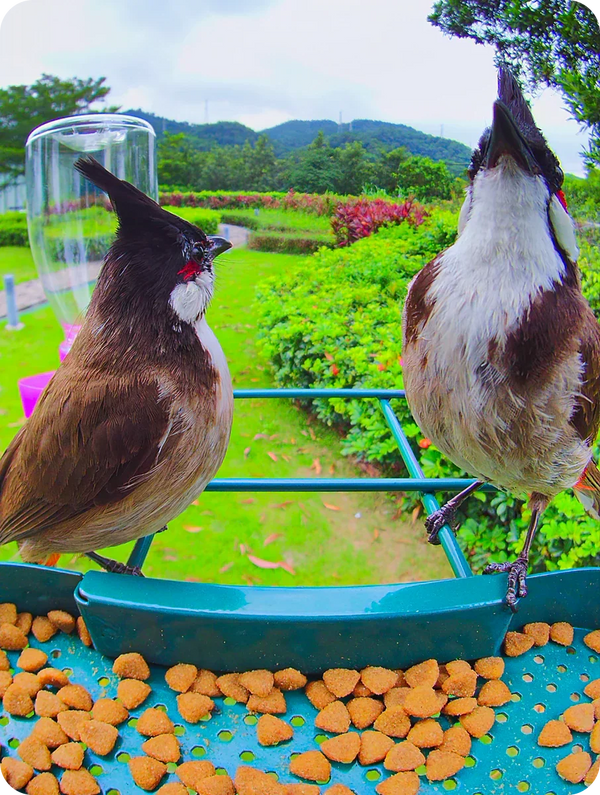
Understanding Suet Holders
A suet holder is a specialized feeder designed to hold suet, a high-energy food made from animal fat, often mixed with seeds, fruits, or insects. This type of feeder functions by securely containing the suet cake, allowing birds to cling to the holder while they peck at the suet. There are various types of suet holders available, including cage-style and tray-style feeders. Cage-style holders typically consist of a wire frame that allows birds to access the suet while keeping it secure from larger animals. Tray-style holders, on the other hand, provide a flat surface for birds to feed from, making it easier for multiple birds to enjoy the suet at once. Common materials used in suet holders include metal and durable plastic, both of which offer longevity and resistance to the elements. These materials ensure that the feeder can withstand outdoor conditions while providing a safe feeding environment for birds.
The Benefits of Using Suet Holders
Utilizing suet holders presents numerous advantages for bird enthusiasts. One of the primary benefits is the provision of a high-energy food source, especially crucial during colder months when natural food is scarce. Suet is rich in fats and proteins, making it an ideal food for many bird species that require extra energy to survive harsh winter conditions. Additionally, suet holders can attract a wider variety of birds compared to traditional seed feeders. Woodpeckers, nuthatches, chickadees, and even some wrens are often drawn to suet, increasing the diversity of birds visiting your yard. I recall a friend who installed a suet holder in her backyard; within days, she was thrilled to see species she had never spotted before, including a vibrant red-bellied woodpecker that became a frequent visitor.
How to Choose the Right Suet Holder
Selecting the appropriate suet holder involves considering several factors, including the bird species you wish to attract, your location, and prevailing weather conditions. When choosing a holder, pay attention to the size; larger holders can accommodate multiple birds at once, fostering a lively feeding atmosphere. Additionally, durability is key—opting for a sturdy, rust-resistant material can ensure your suet holder lasts through various seasons. Ease of use is another important consideration; holders with removable trays or easy-access mechanisms make refilling and cleaning a breeze. It’s also wise to consider the local wildlife; if you have squirrels or raccoons nearby, a cage-style holder may be the best option to keep these critters at bay.
Best Practices for Using Suet Holders
To maximize the effectiveness of your suet holder, there are several best practices to keep in mind. First, placement is crucial—position your suet holder in a location visible from your home, ideally near natural cover like trees or shrubs, which can provide safety for birds while they feed. Regular maintenance is also important; clean the holder frequently to prevent mold and bacteria buildup, and ensure the suet is fresh. During warmer months, consider using no-melt suet to prevent it from becoming a gooey mess in the heat. Additionally, refilling the suet holder regularly, particularly during peak feeding times like early morning and late afternoon, can help maintain a steady stream of visitors. My neighbor’s experience with her suet feeder demonstrated the impact of seasonal changes; she noticed a significant increase in bird activity as she adjusted her feeding practices with the changing seasons.
The Impact of Suet Holders on Bird Watching
In summary, suet holders play a pivotal role in attracting a rich variety of birds to your outdoor space. By understanding their function, benefits, and best practices, you can transform your backyard into a lively bird-watching haven. I encourage every bird lover to incorporate a suet holder into their feeding routine; the joy of watching different bird species visit your yard is truly rewarding. As you embark on this delightful journey, take note of the beautiful avian visitors that grace your space and the connections you foster with nature through the simple act of bird feeding.



commentaires